






My Middle-Grade Storytelling Tips That I Use to Engage Middle-Grade Readers
Writing for middle-grade readers is a thrilling adventure. It’s like stepping into a world where imagination runs wild, curiosity is endless, and every page turned is a new discovery. If you’ve ever wondered how to create stories that truly captivate this vibrant age group, you’re in the right place. I’m here to share some middle-grade storytelling tips that have helped me connect with young readers and their families, weaving tales that stick with them long after the last page is closed.
Let’s dive into the magic of middle-grade storytelling and explore how you can craft stories that resonate, inspire, and entertain.
Why Middle-Grade Storytelling Tips Matter
Middle-grade readers are a unique bunch. They’re old enough to crave complex characters and intriguing plots but still young enough to be enchanted by whimsy and wonder. This age group, typically 8 to 12 years old, is at a pivotal stage where stories can shape their understanding of the world and themselves.
So, why do middle-grade storytelling tips matter? Because writing for this audience means striking a delicate balance. You want to challenge them without overwhelming them, entertain them without talking down, and inspire them without preaching. It’s a dance between simplicity and depth.
Here are some key reasons these tips are essential:
Engagement: Middle-grade readers may have shorter attention spans than adults, so pacing and hooks are crucial.
Relatability: Characters and situations need to feel real and accessible.
Growth: Stories should encourage empathy, courage, and curiosity.
Fun: Above all, the story must be enjoyable and spark joy.
By keeping these points in mind, you can create stories that middle-grade readers will not only read but cherish.

Middle-Grade Storytelling Tips: How to Hook Your Readers
Now, let’s get practical. What are some actionable middle-grade storytelling tips you can use to hook your readers from the very first sentence?
1. Start with a Bang
Middle-grade readers love to jump right into the action or mystery. Begin your story with something that grabs attention immediately. It could be a surprising event, a funny moment, or a question that makes readers want to know more.
Example: Instead of starting with a long description of the setting, try opening with a character doing something unexpected, like sneaking into a forbidden room or discovering a mysterious object.
2. Create Relatable Characters
Characters are the heart of any story. For middle-grade readers, characters should feel like friends or people they know. Give your characters clear goals, fears, and quirks. Let them make mistakes and learn from them.
Example: A shy kid who dreams of being a hero but is afraid of speaking up in class. Readers will root for them because they see a bit of themselves in that struggle.
3. Use Clear, Vivid Language
Keep your language simple but expressive. Middle-grade readers appreciate descriptions that paint a picture without overwhelming them with complex vocabulary. Use metaphors and similes that spark imagination.
Example: Instead of saying “The forest was dark,” try “The forest was a shadowy maze where every rustle sounded like a secret.”
4. Keep the Plot Moving
Pacing is everything. Avoid long stretches of exposition or slow scenes. Mix up action, dialogue, and reflection to keep the story dynamic.
5. Include Humor and Heart
Kids love to laugh, and they also want to feel connected emotionally. Don’t shy away from moments of humor, but also include scenes that tug at the heartstrings.
What is Middle Grade Writing?
Before we go further, let’s clarify what middle grade writing really is. It’s a category of children’s literature aimed at readers aged roughly 8 to 12 years old. These books often feature protagonists within that age range, dealing with challenges and adventures that resonate with their experiences.
Middle grade stories typically:
Focus on friendship, family, school, and self-discovery.
Avoid explicit content but don’t shy away from real emotions and conflicts.
Have a word count usually between 20,000 and 50,000 words.
Feature plots that are complex enough to be engaging but straightforward enough to be understood.
The tone can vary widely—from humorous to serious, fantastical to realistic—but the key is accessibility and relatability.
If you want to see how a seasoned middle grade author crafts stories, C. J. Biggin’s work is a fantastic example. His books, like IYANWA, explore deep themes through imaginative storytelling that speaks directly to young readers.

Building Worlds That Spark Imagination
One of the joys of writing for middle-grade readers is world-building. Whether your story is set in a small town, a magical kingdom, or a futuristic city, or, like IYANWA, an island, the world you create should feel alive and inviting.
Here’s how to build worlds that spark imagination:
1. Focus on Details That Matter
You don’t need to describe every inch of your world. Instead, pick a few vivid details that bring it to life. What sounds fill the air? What smells? What’s the weather like? These sensory details help readers feel like they’re right there.
2. Make the World Interactive
Let your characters interact with the world in meaningful ways. Maybe there’s a secret passage in the school, or a magical tree that grants wishes. These elements should tie into the plot and character growth.
3. Use the World to Reflect Themes
The setting can mirror the story’s themes. For example, a crumbling castle might symbolize a character’s struggle with change or loss.
4. Keep It Consistent
Even in fantasy, rules matter. If magic exists, set clear boundaries. If technology is advanced, explain how it affects daily life. Consistency helps readers suspend disbelief.
5. Invite Curiosity
Leave some mysteries about your world for readers to discover. This keeps them engaged and eager for the next book or chapter.
Crafting Characters That Kids Will Love
Characters are the soul of your story. Middle-grade readers want to see themselves in your characters, or at least understand their feelings and motivations. Here’s how to create characters that kids will love:
1. Give Them Clear Goals and Motivations
What does your character want? What’s standing in their way? Clear goals drive the story forward and give readers someone to root for.
2. Show Growth and Change
Middle-grade readers are growing and changing themselves. They appreciate characters who learn lessons, overcome fears, and become braver or kinder.
3. Include Flaws and Strengths
Perfect characters are boring. Give your characters flaws that make them relatable and strengths that inspire.
4. Use Dialogue to Reveal Personality
How your characters speak can tell readers a lot about who they are. Use dialogue to show humor, impatience, kindness, or curiosity.
5. Create Strong Friendships and Relationships
Relationships are central to middle-grade stories. Show how your characters interact with friends, family, and mentors. These connections add depth and warmth.
Wrapping Up Your Story with Heart
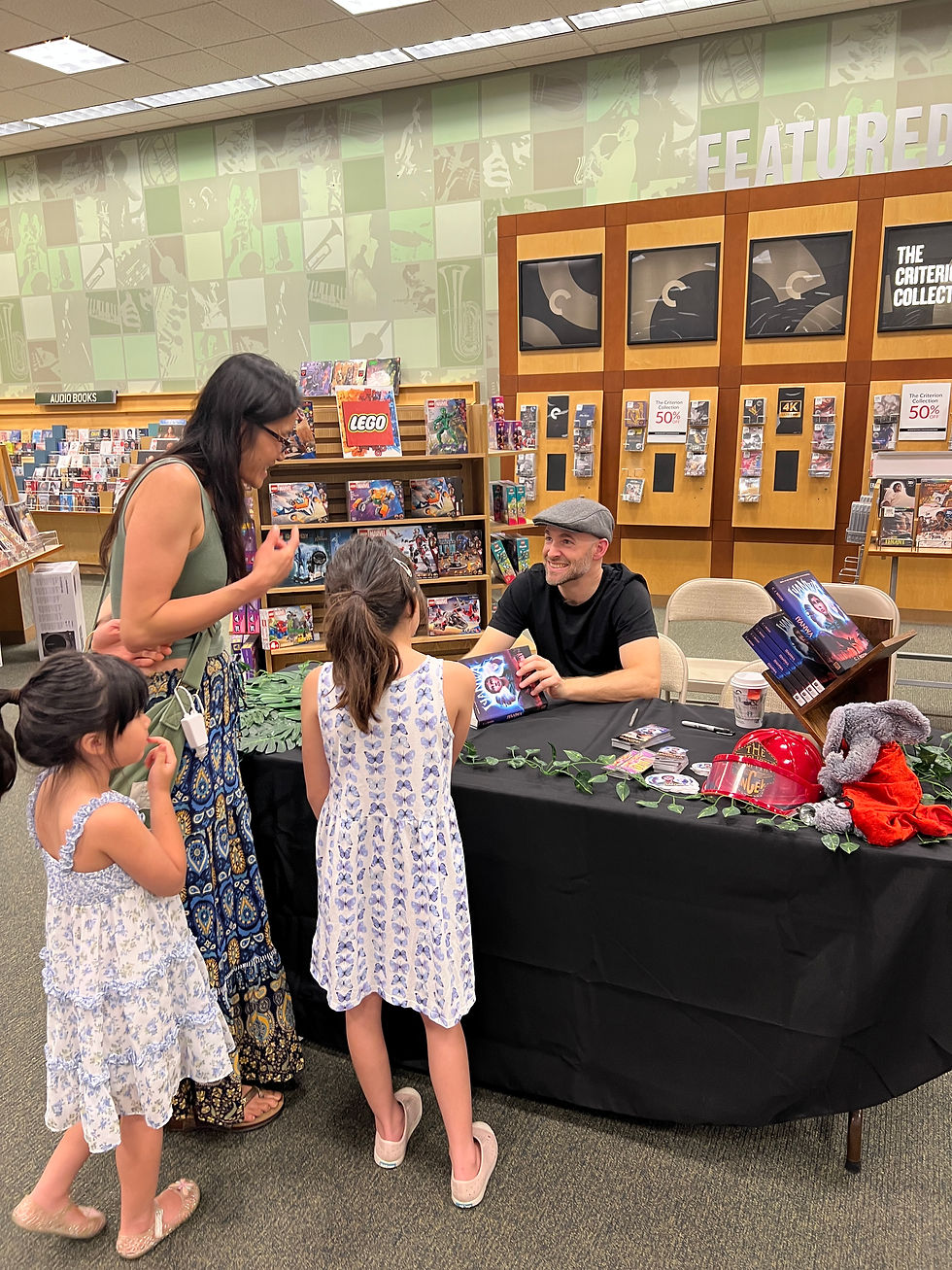
As you bring your story to a close, remember that middle-grade readers appreciate endings that feel satisfying but not overly neat. Life is messy, and stories that reflect that complexity resonate deeply.
Here are some tips for wrapping up your story with heart:
Resolve the main conflict but leave room for future adventures.
Show how your character has grown and what they’ve learned.
Include a hopeful or inspiring note that leaves readers feeling good.
Avoid endings that are too predictable or rushed.
Writing for middle-grade readers is a joy and a challenge. By using these storytelling tips, you can create books that light up young imaginations and stay with them for years to come. If you want to explore more about crafting stories for this wonderful age group, check out the work of middle grade author C. J. Biggin, whose middle-grade fantasy book, Iyanwa blends imagination and heart.
Happy writing, and may your stories inspire the next generation of readers!


Comments